Product Guide
Fully Automatic vs Semi-Automatic Smart Locks
By GwayLock · Published
Compare motor-driven operation, user-operated handles and automatic relocking. Separate marketing labels from the actions a smart lock actually performs.
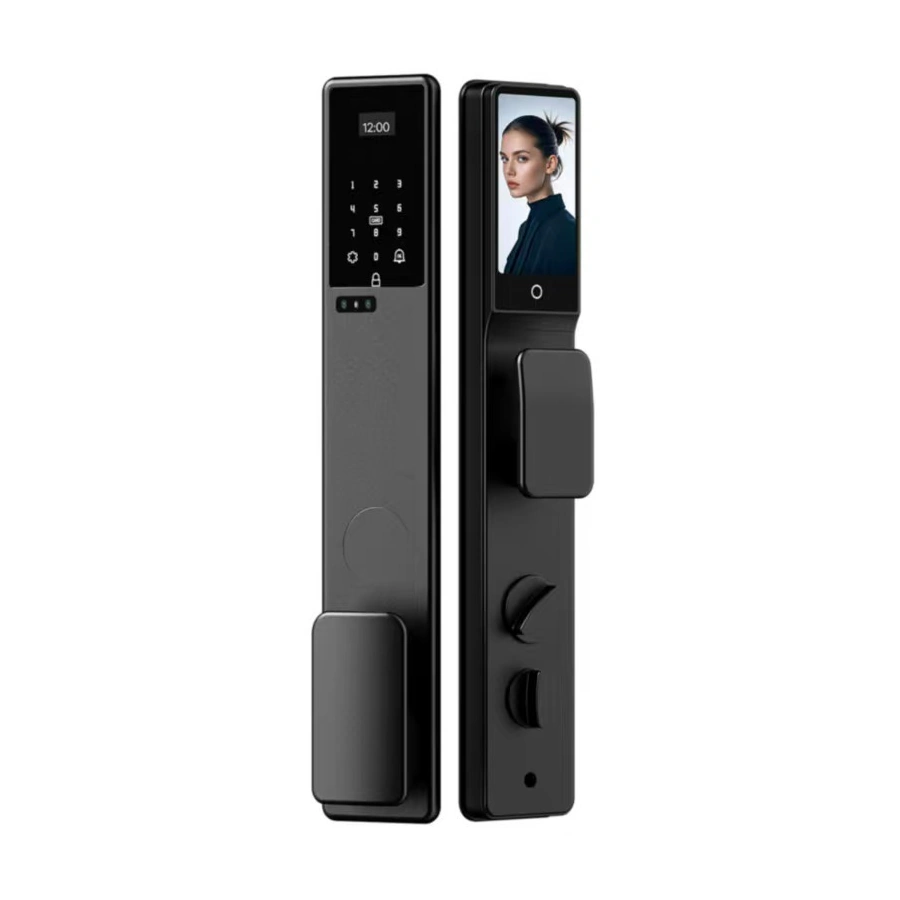
Fully automatic, semi-automatic and handle smart lock describe overlapping aspects of a product. The first two usually describe the operating sequence; handle describes a physical format. A buyer should compare what happens after authentication and after closing the door, rather than choose from these labels alone.
Ask for a demonstration of the exact selected version. Authentication, latch retraction, bolt extension and door movement are separate actions. An automatic lock does not necessarily open or close the door leaf for the user.
Follow the opening sequence
In common supplier usage, a fully automatic model uses a motor to perform a locking or unlocking movement after a valid credential. A semi-automatic description may mean that authentication enables a handle which the user then operates. These are working descriptions for comparison, not a universal certification scheme: confirm the supplier's definition and the lock body's behavior.
On small screens, swipe across the table to compare all models.
| Description | Typical question | Sample check |
|---|---|---|
| Fully automatic | Which bolts or latches does the motor move? | Authenticate and observe the complete opening sequence |
| Semi-automatic | Must the user press or turn a handle after authentication? | Check the required user action and reset behavior |
| Handle format | What does the outside handle do before and after authentication? | Check outside and inside operation separately |
| Automatic relocking | What triggers locking: timer, sensor or another mechanism? | Check the configured trigger and door alignment |
Automatic relocking is a separate feature
A timer-based relock and a lock that detects door closure are different workflows. Confirm the presence and configuration of any door-position sensor, the delay setting and the response when the door is not fully closed. Do not infer these features from a push-pull grip, a face camera or the words fully automatic.
Also ask how the model signals incomplete locking or an obstruction. A demonstration on a loose panel does not show how the supplied mortise and strike behave on the intended door.
Use catalogue examples without transferring features
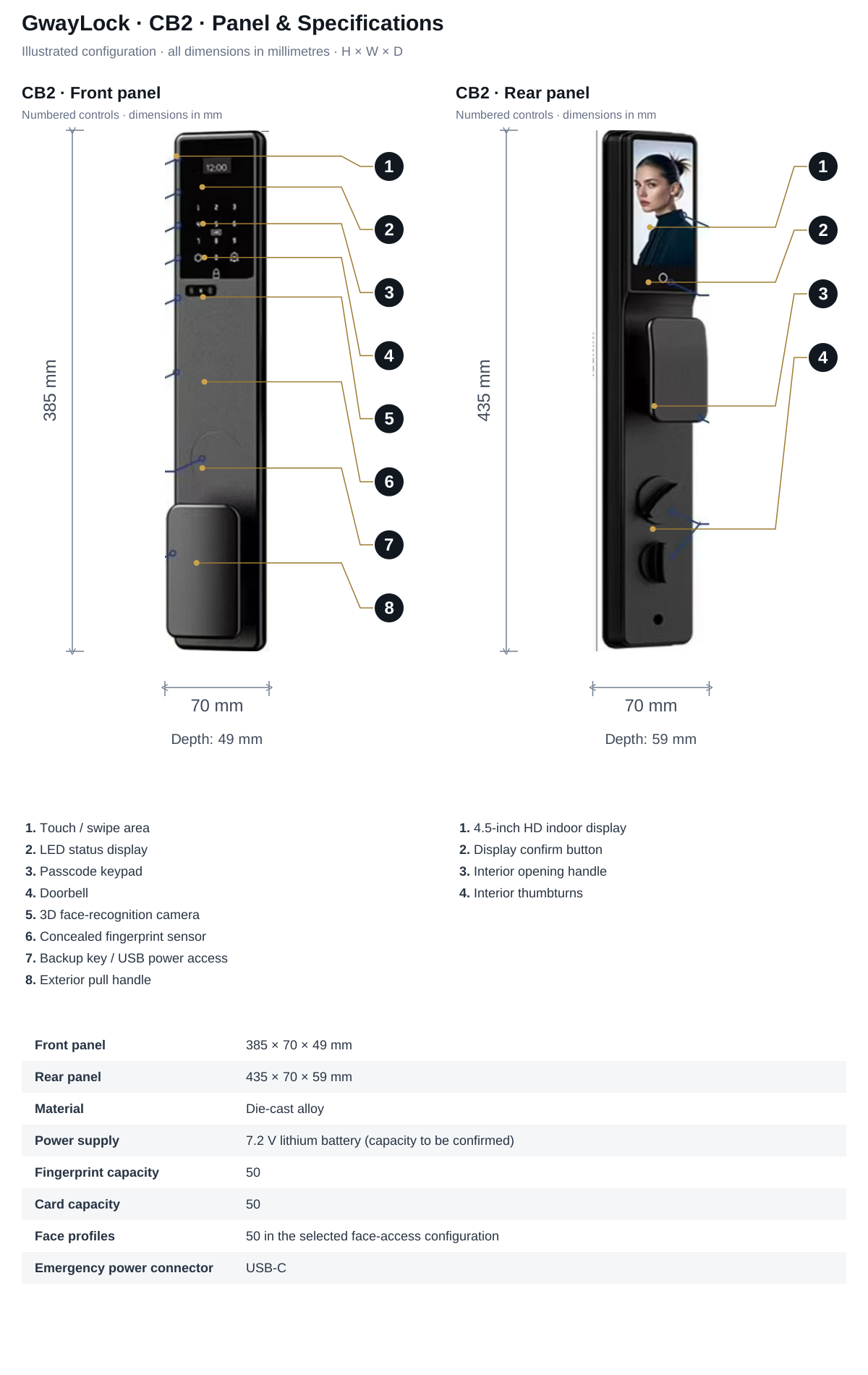
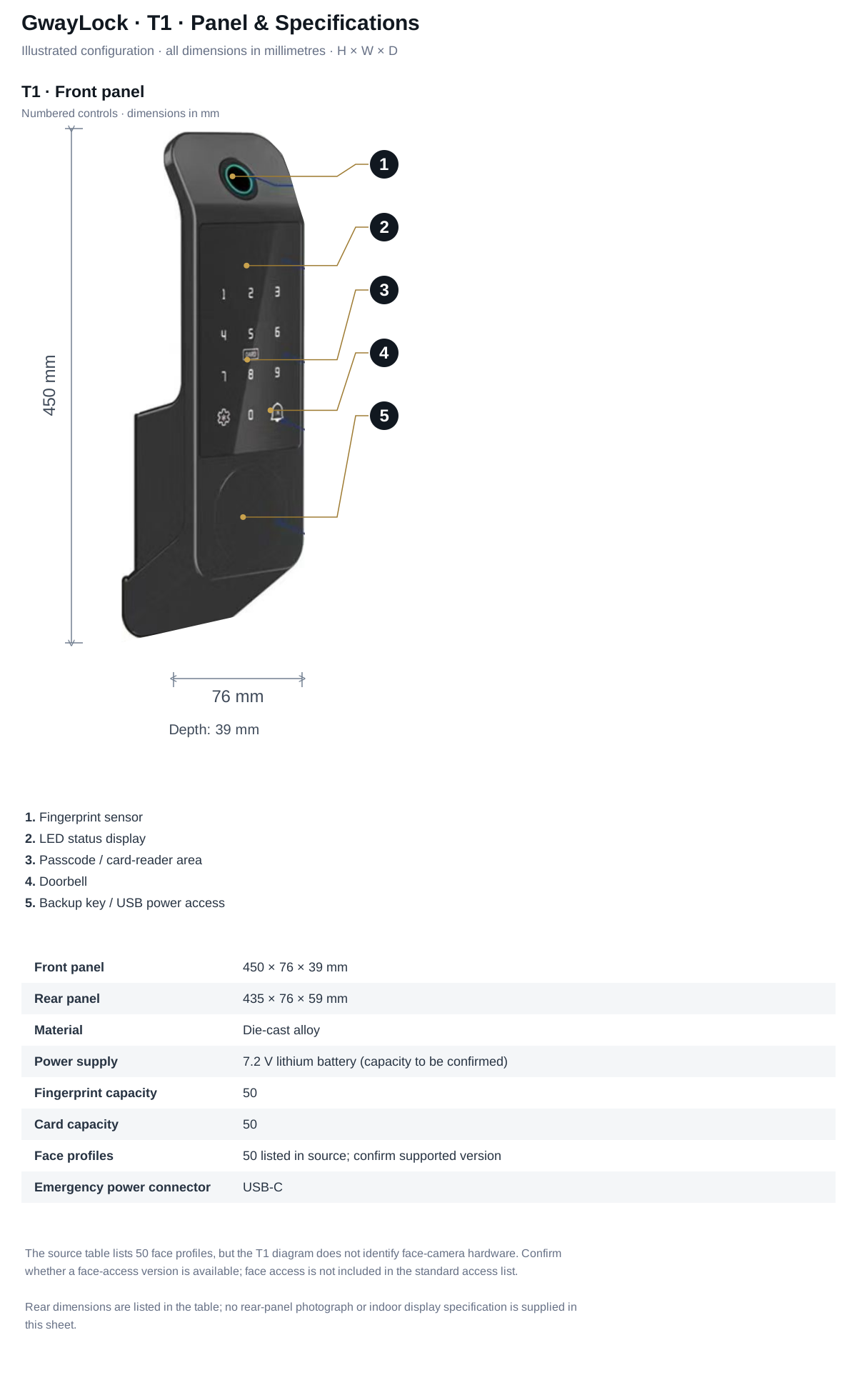
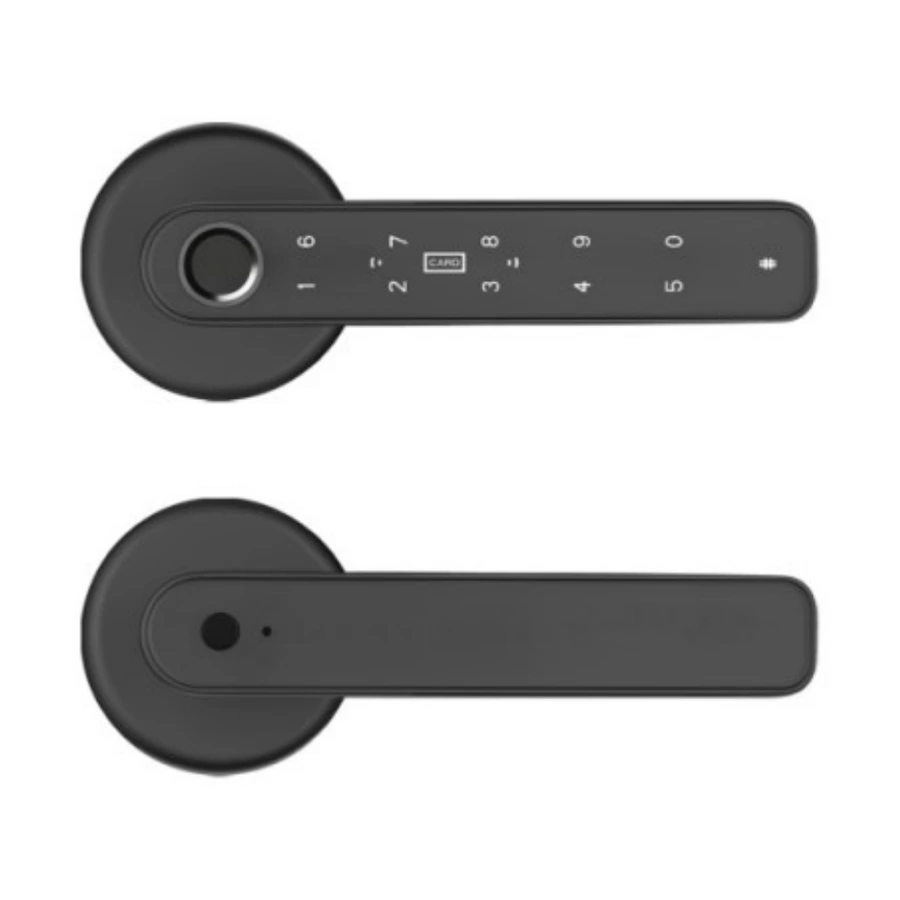
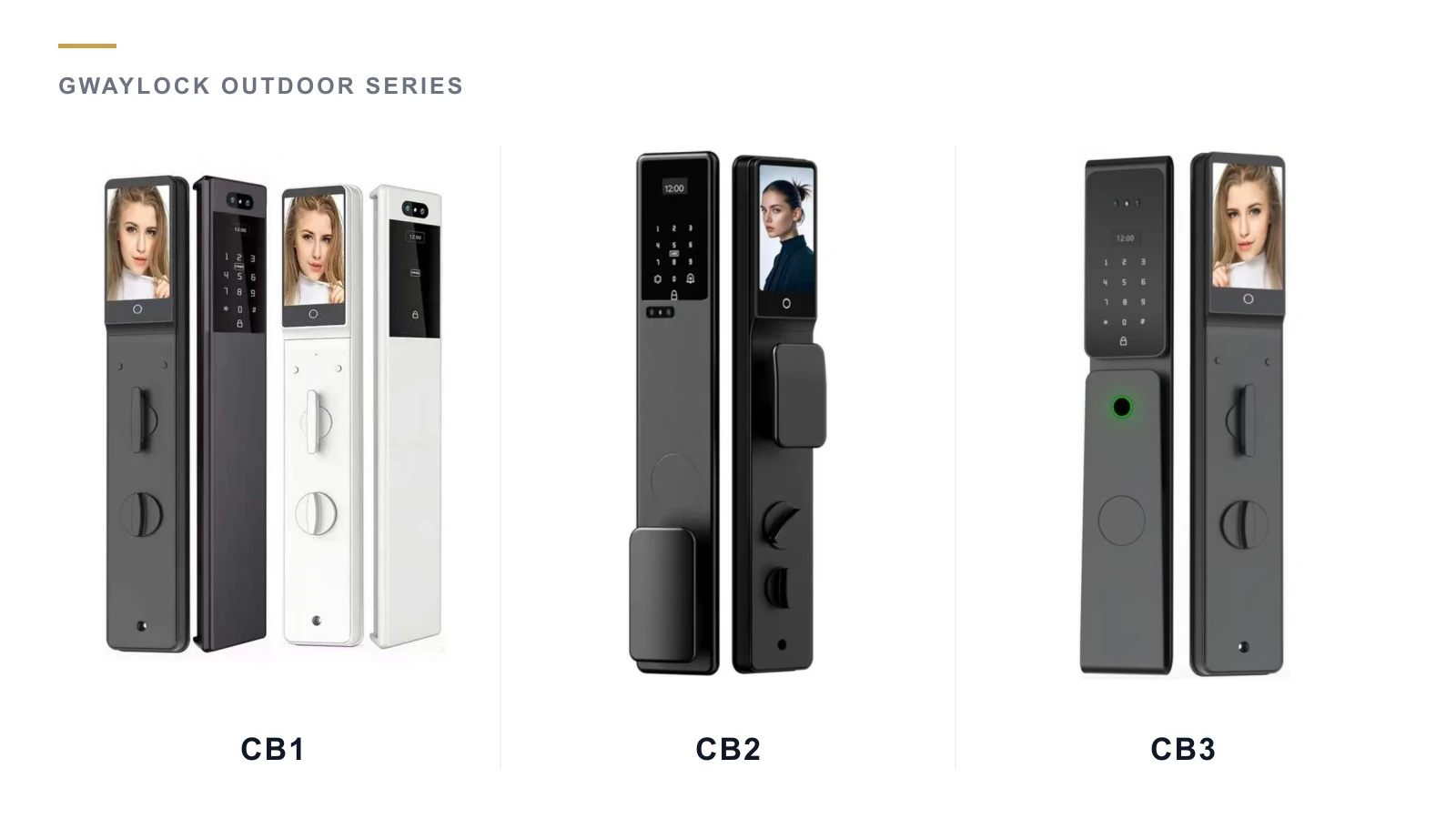
GwayLock lists CB2 in its fully automatic outdoor series and 196 as a handle model. The 196 record specifies a 30–50 mm door range and four AAA alkaline batteries; CB2 specifies 50–100 mm doors and a 7.2 V lithium supply. Their source records describe different platforms. They do not establish a measured speed, common motor arrangement or interchangeable installation.
Choose around the door and user
Compare the required hand movement, grip position, door weight, closer and installation clearances. Where a user has limited grip strength or the project has accessibility requirements, evaluate the complete installed assembly against the applicable requirements. A convenient demonstration is not a declaration of accessibility compliance.
- Confirm outside opening and inside exit operation separately.
- Check handing, strike alignment and any multipoint hardware with the installer.
- Review the specified battery and maintenance access; do not assume one operation type always has longer battery life.
- Confirm emergency access and inside opening from the selected manual.
What to request with the sample
Request a short sequence showing authentication, opening, closing, relocking and any failure indication on a representative door. Record the supplied lock body, app version and settings. This is more useful for a distributor's manual than a claim that every automatic model behaves the same way.
Sources and scope
Product information follows the referenced catalogue pages. Confirm the selected configuration and installation before ordering.
FAQ
Frequently Asked Questions
Does fully automatic mean that the door opens itself?
No. The label may describe a motor-driven lock movement. Moving the bolt, retracting the latch and moving the door leaf are different actions. Request the complete operating sequence for the selected configuration.
Is automatic relocking the same as fully automatic operation?
No. Confirm separately how authentication enables opening and what triggers relocking. A timer, a door-position sensor and a mechanical trigger are different arrangements.
Explore related smart lock platforms
Review the selection guide and model specifications for each lock type before requesting samples.
Keep reading
Related Articles
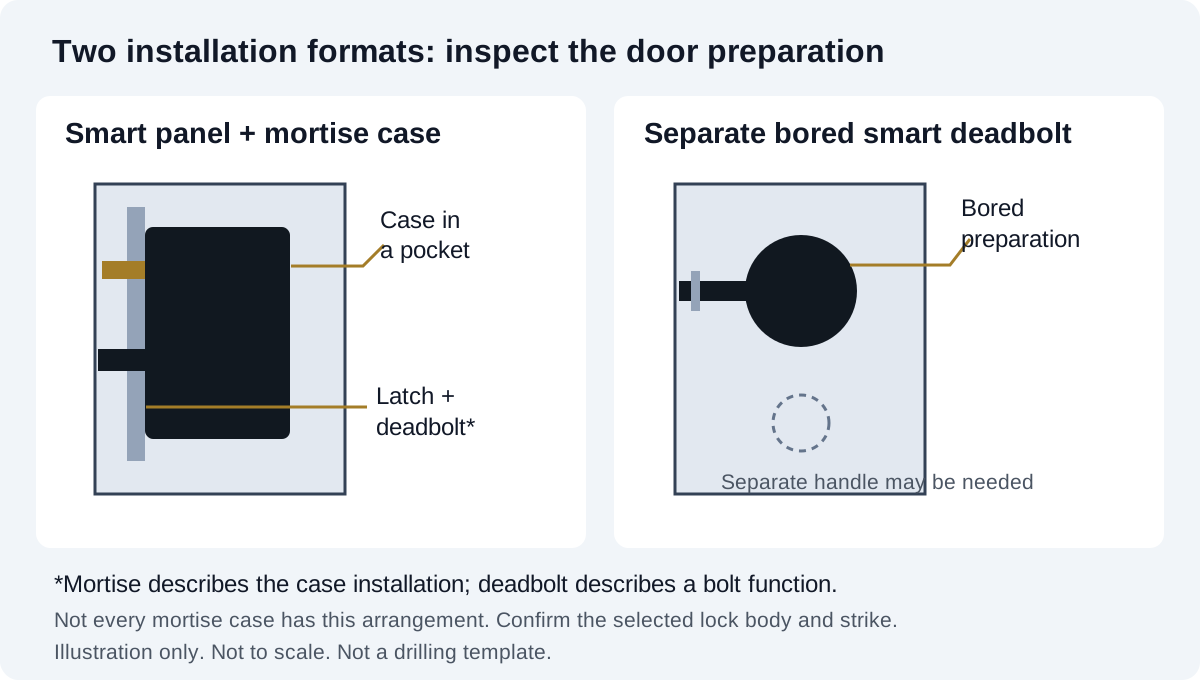
Mortise vs Deadbolt Smart Locks: Door-Fit Guide
Understand mortise lock cases, separate smart deadbolts and existing door preparation. Compare installation formats before choosing a replacement lock.
Oct 30, 2026
AA Batteries vs Rechargeable Smart Lock Batteries
Compare replaceable alkaline cells and specified rechargeable lithium packs. Check battery chemistry, approved charging, emergency power and maintenance before choosing a lock.
Oct 30, 2026
CB1 vs CB2 vs CB3: Outdoor Smart Lock Comparison
Compare documented CB1, CB2 and CB3 outdoor smart lock details, separate app options and missing specifications before selecting an OEM project sample.
Oct 15, 2026
Need supplier support?
Discuss your smart lock OEM/ODM project with GwayLock
Send us your target market, door type, preferred app platform and customization needs. Our team will help you evaluate suitable models and prepare a practical quotation.