Buying Guide
Double-Sided Outdoor Smart Locks: Buyer Checklist
By GwayLock · Published
Check exposure on both sides of an outdoor smart lock, request model-specific protection evidence and confirm door fit before approving an OEM sample.
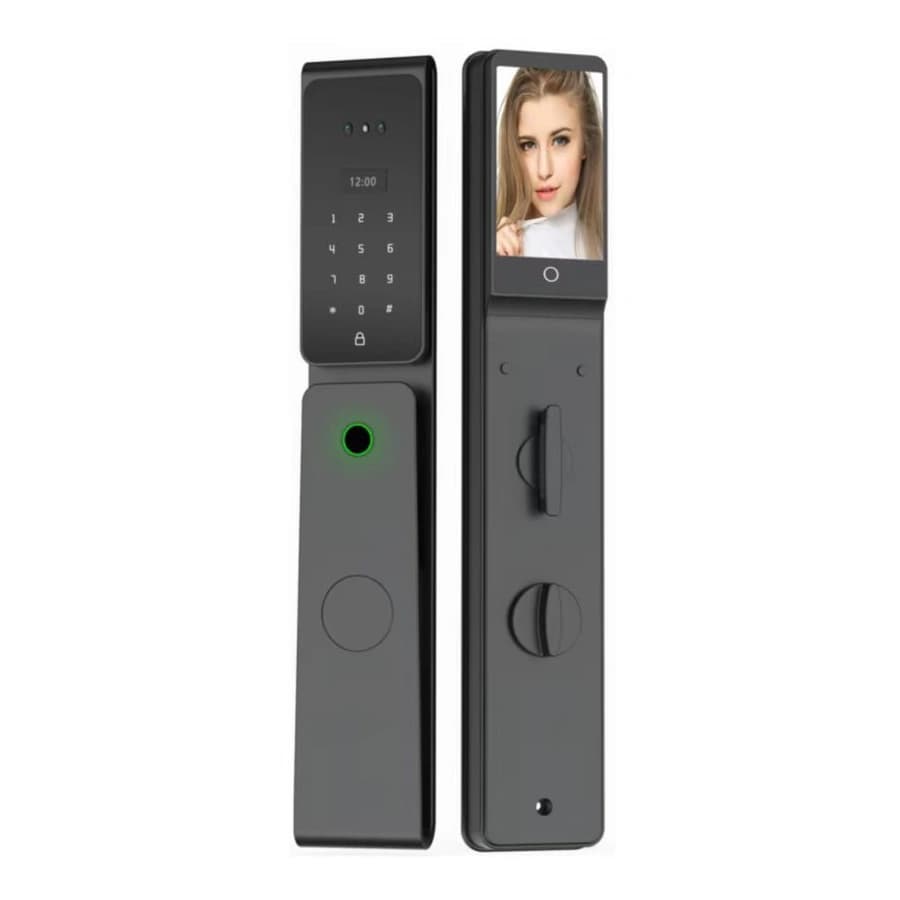
A double-sided outdoor smart lock selection begins with the intended installation. Identify which panel faces the weather, where the rear panel sits and whether either side receives direct sun or rain. A covered entrance, an open gate and an exposed door need separate descriptions in the RFQ.
GwayLock positions its outdoor series around double-sided waterproof and sun-protection design. Treat that wording as a design description that needs confirmation for the selected version and exposure. The public CB1, CB2 and CB3 records do not provide an IP rating, numerical operating-temperature range or model-specific environmental test report.
1. Record the exposure on each side
Send an annotated door photo and a short site description rather than the word outdoor alone. Ask the supplier to respond to the proposed location and identify any restrictions. Do not assume that the front and rear panels have identical protection simply because both are part of one lock.
- Front and rear: sheltered, partly sheltered or directly exposed.
- Sun: which side receives direct sunlight and whether a canopy is present.
- Water: rain exposure, nearby irrigation or cleaning practices to discuss with the supplier.
- Climate: expected local temperature range and any coastal or dusty conditions needing review.
- Installation: door material, orientation, existing openings and cable routes.
2. Ask what the protection evidence actually covers
If an IP claim is proposed, ask for the report identifying the tested model and version, the rating, the tested assembly and its installation conditions. IEC 60529 addresses classification of protection provided by enclosures. A reference to this standard alone does not establish a rating for a CB model.
For sun exposure, request evidence relevant to the proposed materials, finish and assembly. IEC 60068-2-5 addresses simulated solar exposure and weathering tests. Its scope is a useful reference for a discussion with the supplier or laboratory; citing it does not show that a particular lock has passed a test.
Ask the supplier to explain the connection between the report specimen and the quoted lock, including front and rear panels, seals, optional camera or face module and any version differences. If the evidence is unavailable or the configuration differs, record that gap before deciding whether further evaluation is needed.
3. Confirm the complete door assembly
Protection review and mechanical fit should use the same proposed configuration. For CB1, CB2 and CB3, the published door thickness is 50–100 mm, but that range does not replace panel drawings or an installation check. Ask for mounting centers, panel dimensions, fasteners, cable routing and the selected lock-body drawing.
Review the strike, handing, clearances and any installation seals with the installer. Ask which components are included and which must be supplied locally. Agree on the approved mounting method before sampling; modifications to the door or assembly should be reviewed with the supplier instead of assumed to preserve the documented protection.
4. Separate climate questions from battery expectations
The three CB records list a 4200 mAh lithium-ion battery. They do not establish battery runtime at your site, charging limits or an operating-temperature rating. Request the battery specification, charging instructions and applicable environmental limits for the supplied version. Describe the planned access frequency, network setup and video use so battery expectations can be discussed against that configuration.
5. Make the approval decision traceable
Use a short evidence register before placing the bulk order. Keep the installation proposal, supplier response, report references and unresolved questions together. Define who will review each gap and what written evidence is needed to close it.
- Model and configuration match the quotation, sample and evidence references.
- Both-side exposure and installation conditions receive a written response.
- Any claimed rating has a model-specific supporting document for review.
- Missing dimensions, temperature limits and packing data have an assigned follow-up.
- Installer and buyer approve the selected configuration and its documented limits.
Sources and scope
Product information follows the referenced catalogue pages. Confirm the selected configuration and installation before ordering.
External standards references describe general test scopes; they do not establish test results or certification for these locks.
FAQ
Frequently Asked Questions
Does double-sided waterproof wording establish an IP rating?
No. It describes the outdoor series design. Request documentation identifying the selected model, configuration, claimed rating and installation conditions before relying on a protection claim.
What should a buyer provide for an outdoor installation review?
Provide photos and measurements of the door, the proposed lock body, local climate information and a description of rain and sun exposure on each side. Ask the supplier to respond to that installation in writing.
Do references to IEC standards certify these locks?
No. The references explain the subject of enclosure protection classification and solar exposure testing. They do not establish that a CB model was tested, certified or assigned a rating.
Explore related smart lock platforms
Review the selection guide and model specifications for each lock type before requesting samples.
Keep reading
Related Articles
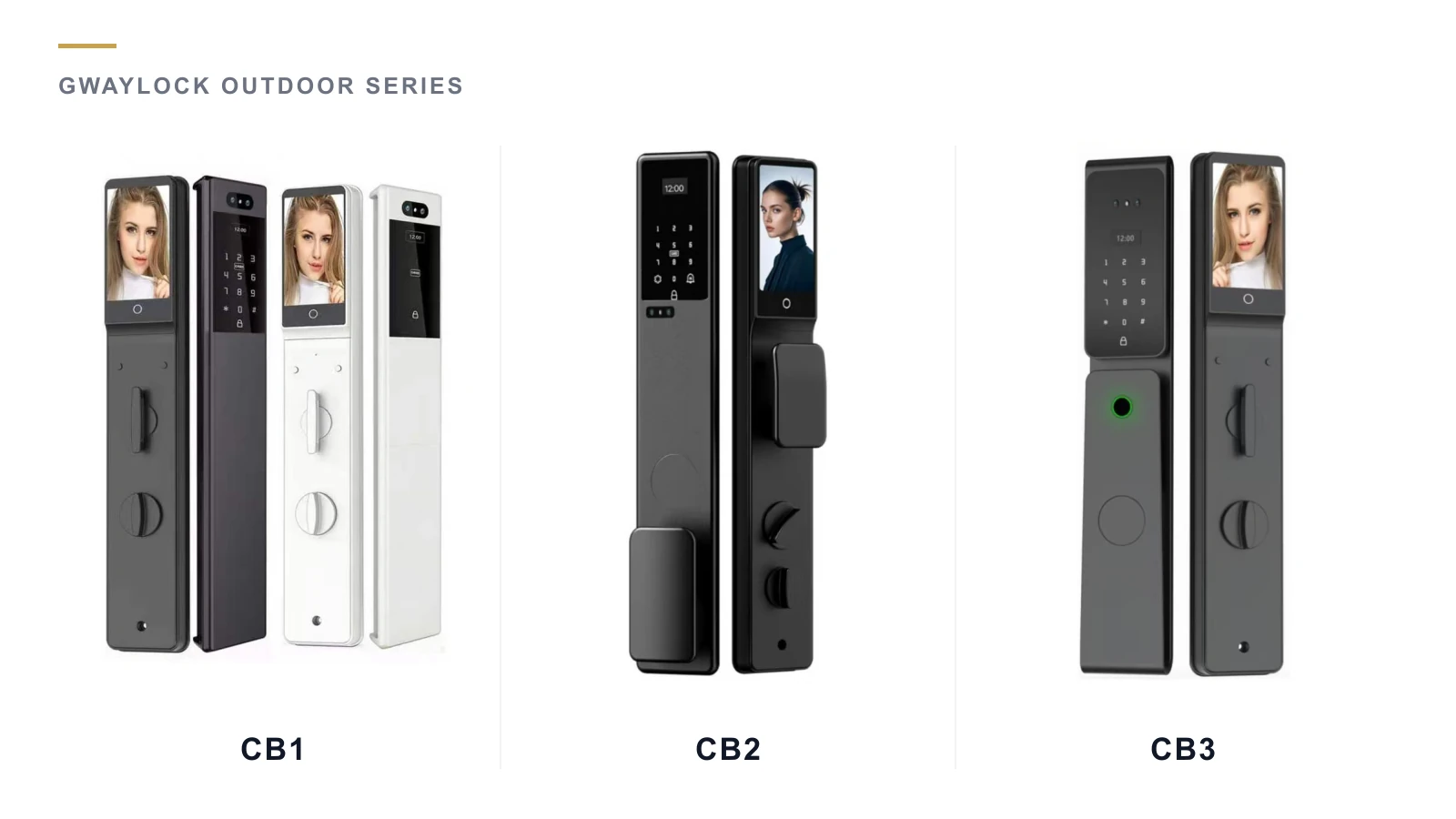
CB1 vs CB2 vs CB3: Outdoor Smart Lock Comparison
Compare documented CB1, CB2 and CB3 outdoor smart lock details, separate app options and missing specifications before selecting an OEM project sample.
Oct 15, 2026
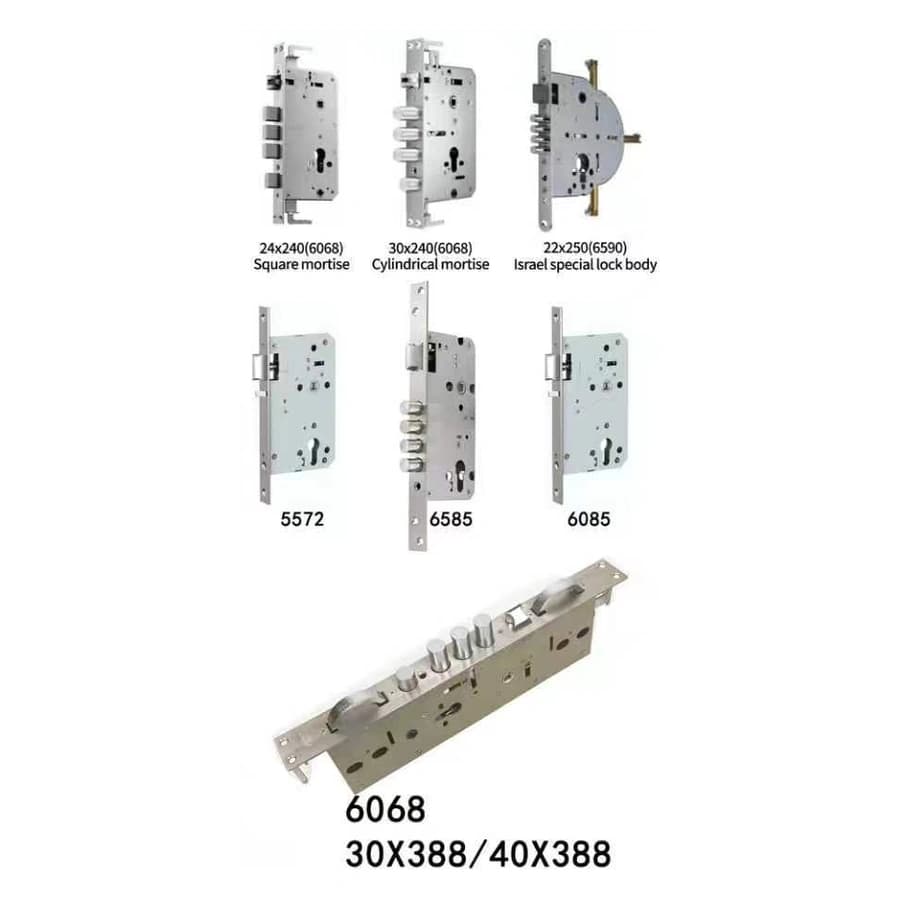
Outdoor Smart Lock Sample Approval: OEM Checklist
Use a proposed outdoor smart lock approval worksheet to record sample configuration, door fit, app functions, protection evidence and buyer sign-off.
Oct 15, 2026
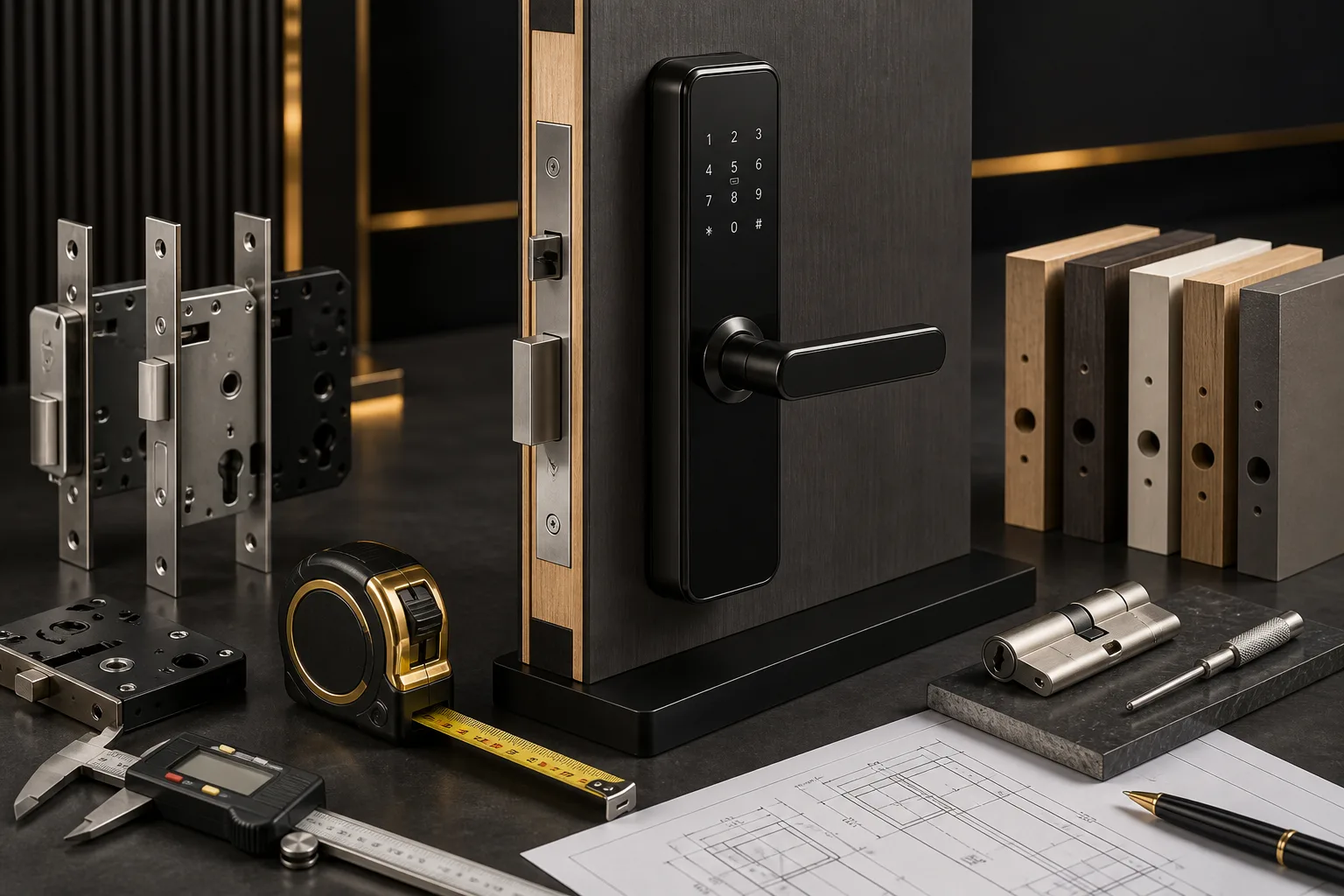
Smart Lock Door Compatibility Guide for Importers and Project Buyers
Door thickness, lock body, opening direction and installation details can decide whether a smart lock project succeeds.
Jun 22, 2026
Need supplier support?
Discuss your smart lock OEM/ODM project with GwayLock
Send us your target market, door type, preferred app platform and customization needs. Our team will help you evaluate suitable models and prepare a practical quotation.
