OEM/ODM
How Smart Lock OEM Production Works from Design to Delivery
Jun 8, 2026
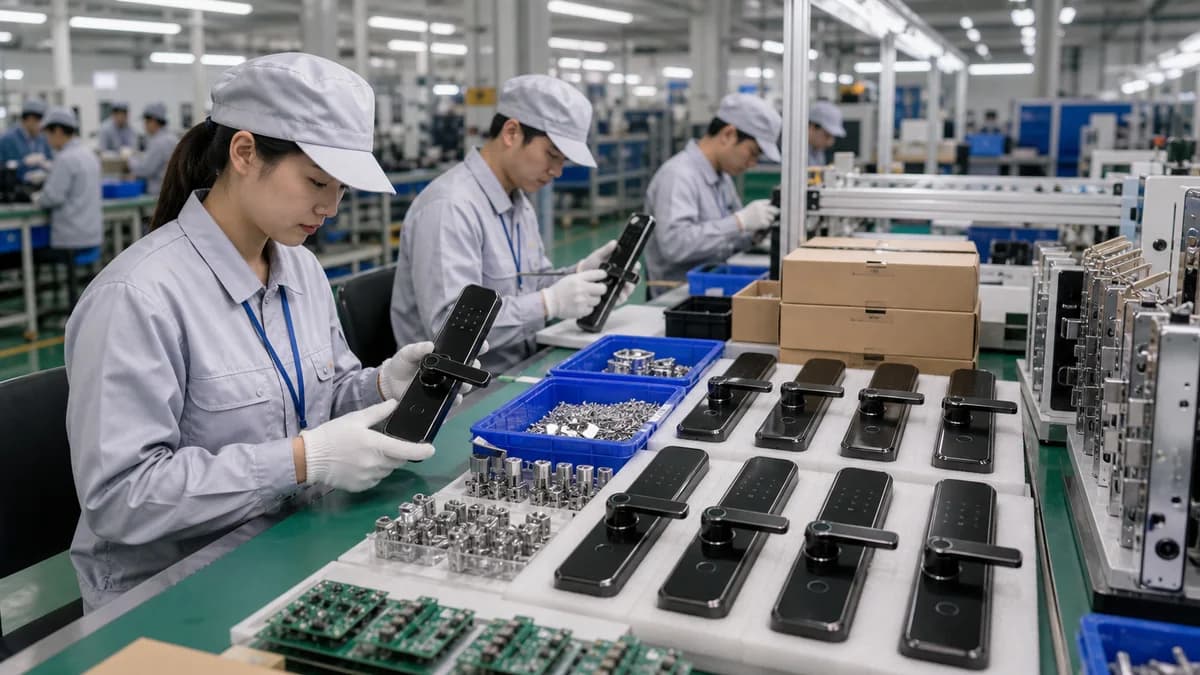
A smart lock OEM project should follow a clear process from requirement confirmation to final delivery. When the workflow is organized, buyers can control samples, packaging, payment, inspection and shipment more smoothly.
Understanding the process also helps buyers avoid common delays, such as late artwork confirmation, unclear app requirements or packaging changes after production has started.
Step 1: Requirement confirmation
The project starts with understanding your market, door type, unlocking methods, app requirement, customization needs and expected quantity. A professional supplier should ask questions before recommending models.
- Target market and customer type.
- Door material, door thickness and installation environment.
- Preferred unlocking methods such as fingerprint, password, card, app or key.
- App ecosystem such as Tuya, TTLock or other options.
- Logo, packaging, manual and language requirements.
Step 2: Sample preparation and testing
Samples are prepared for function testing, installation review, app experience and packaging confirmation. Buyers should test the lock in realistic conditions before approving mass production. If the lock will be used for a project, testing on the actual door type is highly recommended.
Step 3: Customization confirmation
After sample approval, both sides confirm logo, packaging, manuals, labels and any function options. Artwork should be reviewed carefully because small mistakes in packaging or manuals can affect the entire shipment.
Step 4: Mass production
During production, the factory prepares materials, assembles lock components, tests functions and packs finished units according to confirmed requirements. Buyers should keep communication open, especially if the order includes customized packaging or special accessories.
Step 5: Inspection before shipment
Final inspection should cover appearance, function, accessories, packaging and carton marks. For larger orders, buyers can request inspection photos, videos or third-party inspection before balance payment and shipment.
Step 6: Shipment and after-sales support
After inspection, export documents and shipping arrangements are prepared. A reliable supplier should keep sample records, provide spare parts when needed and support technical questions after delivery.
Where projects usually get delayed
OEM projects are often delayed by unclear requirements rather than production itself. Common causes include late logo files, packaging text changes, manual translation changes, uncertain app requirements or a model change after samples are approved.
Buyers can reduce delays by preparing a checklist before the sample stage and confirming every production detail in writing. The more complete the approval file is, the easier it is for the factory to produce consistently.
Documents to keep for repeat orders
A repeat order should not start from zero. Buyers should keep approved sample photos, packaging artwork, manual files, label files, carton marks, product specifications and inspection standards. This makes future orders faster and reduces the chance of accidental changes.
Conclusion
A successful smart lock OEM project depends on clear requirements, careful sample testing, confirmed customization details, controlled production and proper inspection. Buyers who follow a structured process can reduce risk and build a more stable supply chain.
FAQ
Frequently Asked Questions
What is the first step in a smart lock OEM project?
The first step is requirement confirmation, including target market, door type, unlocking methods, app platform, customization needs and expected quantity.
Why is sample testing important before production?
Sample testing helps confirm installation, app behavior, packaging, accessories and product quality before the factory starts mass production.
What documents should buyers keep for repeat orders?
Buyers should keep approved sample photos, packaging artwork, manuals, labels, carton marks, specifications and inspection standards.
Keep reading
Related Articles
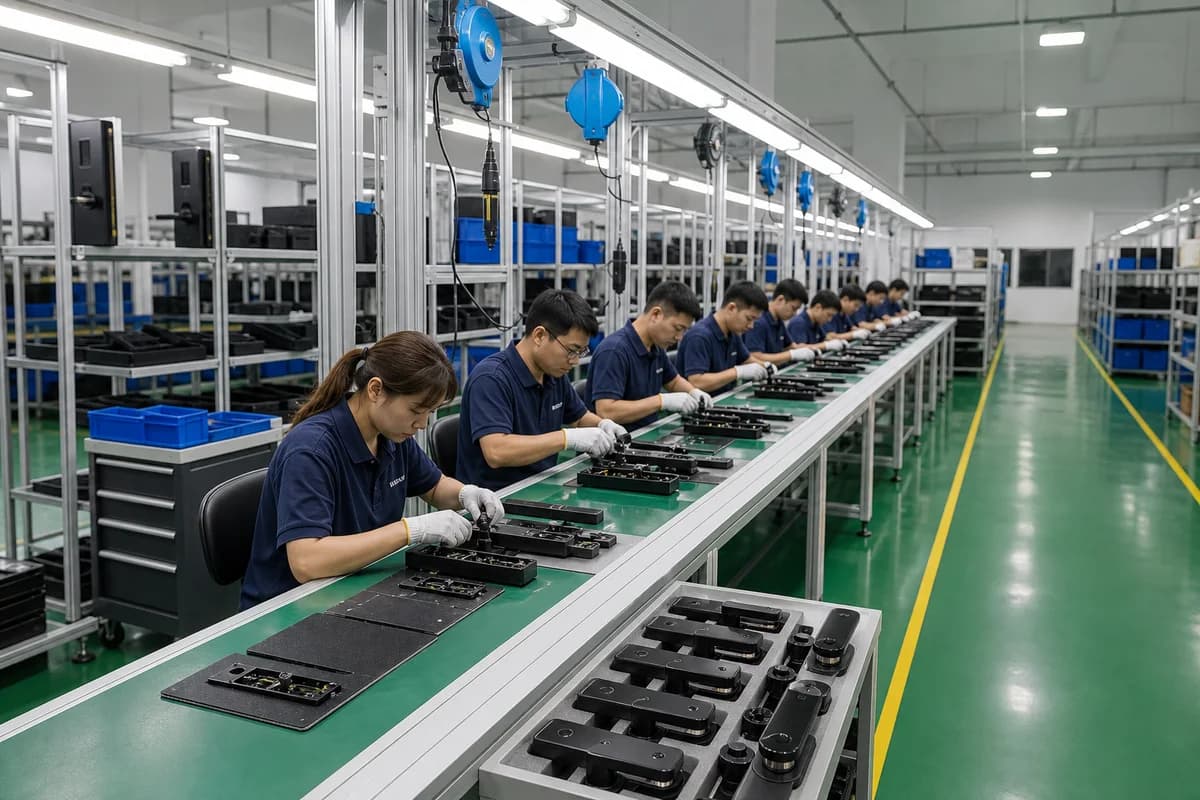
Smart Lock Production Process: From Components to Final Assembly
Understand the smart lock production process from incoming materials to assembly, testing and packing.
May 20, 2026
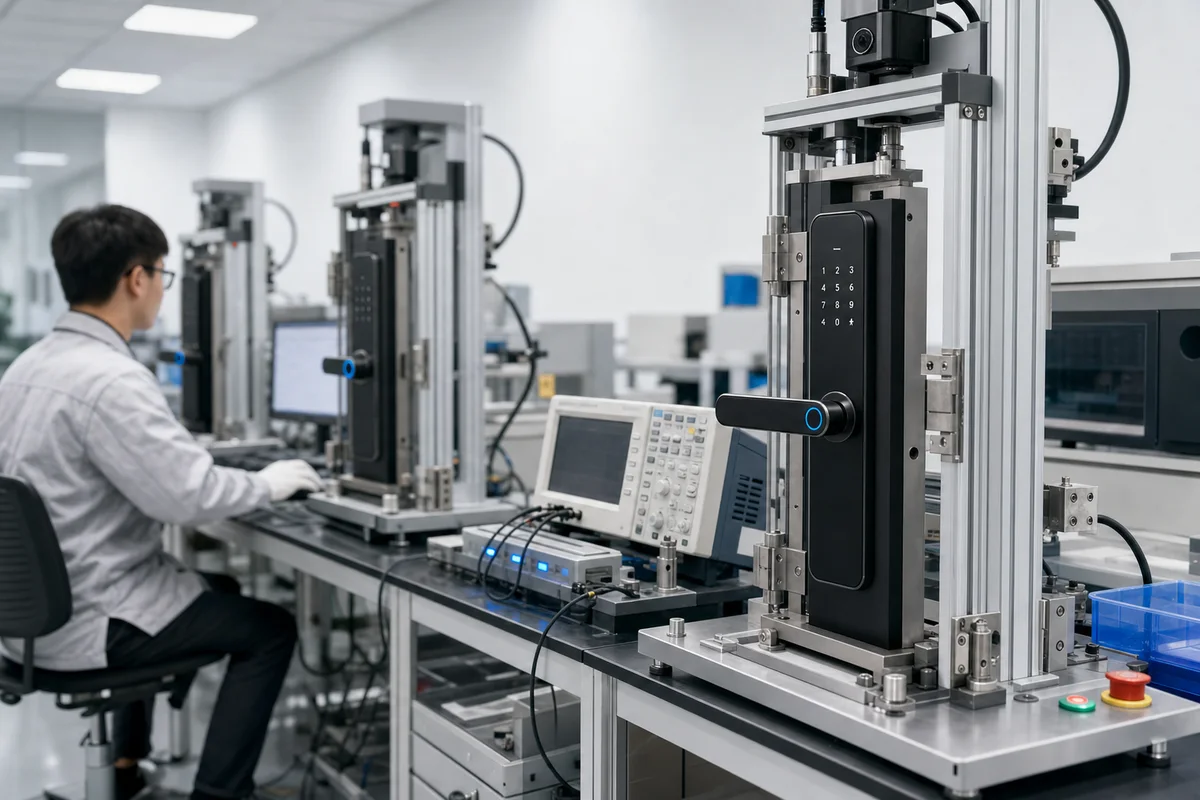
How Smart Lock Factories Test Products Before Shipment
A practical overview of smart lock factory testing, including function checks, aging tests and packing inspection.
May 22, 2026
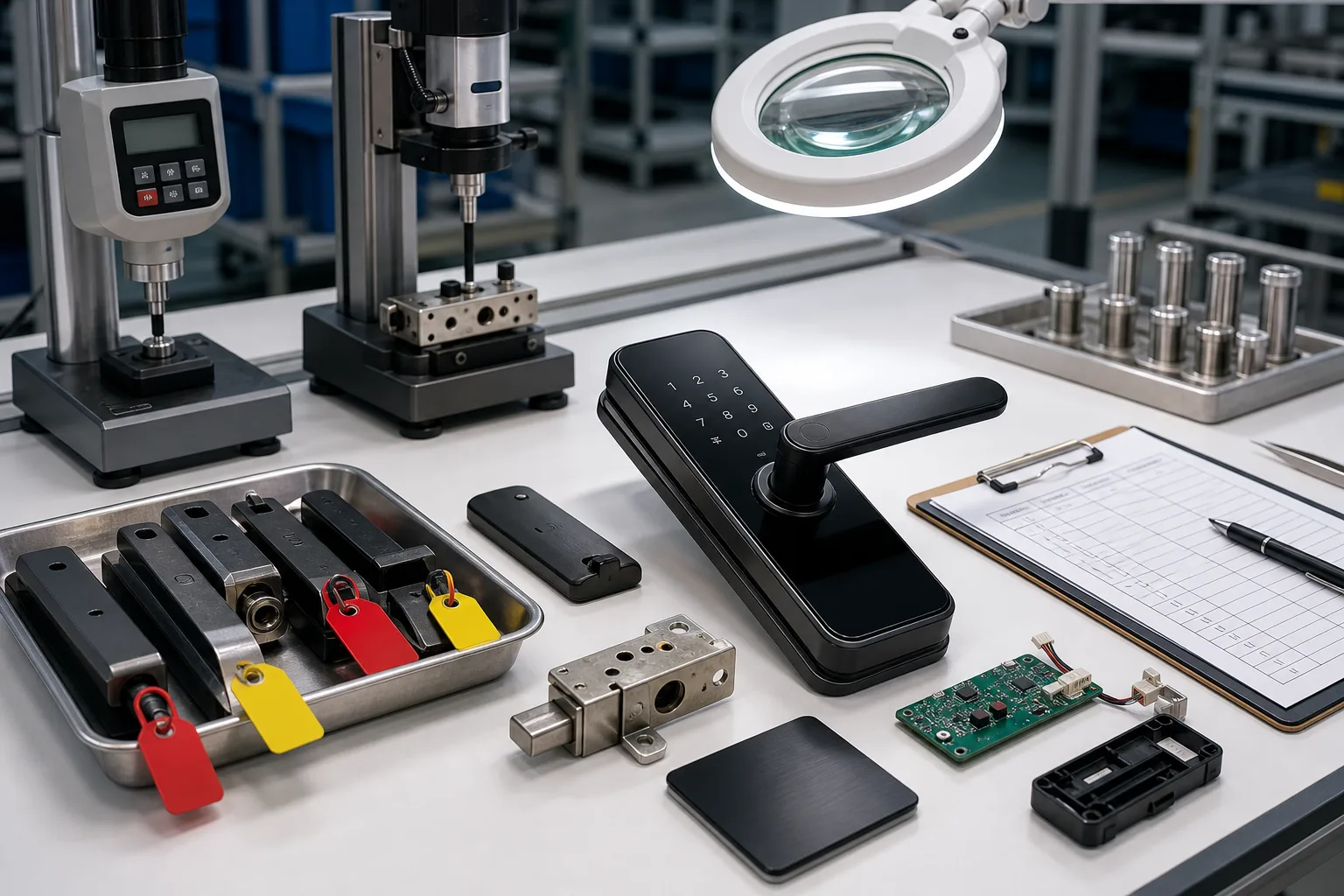
Smart Lock Quality Control Checklist for B2B Buyers
A practical QC checklist for checking smart locks before mass production and shipment.
Jun 4, 2026
Need supplier support?
Discuss your smart lock OEM/ODM project with GwayLock
Send us your target market, door type, preferred app platform and customization needs. Our team will help you evaluate suitable models and prepare a practical quotation.
